
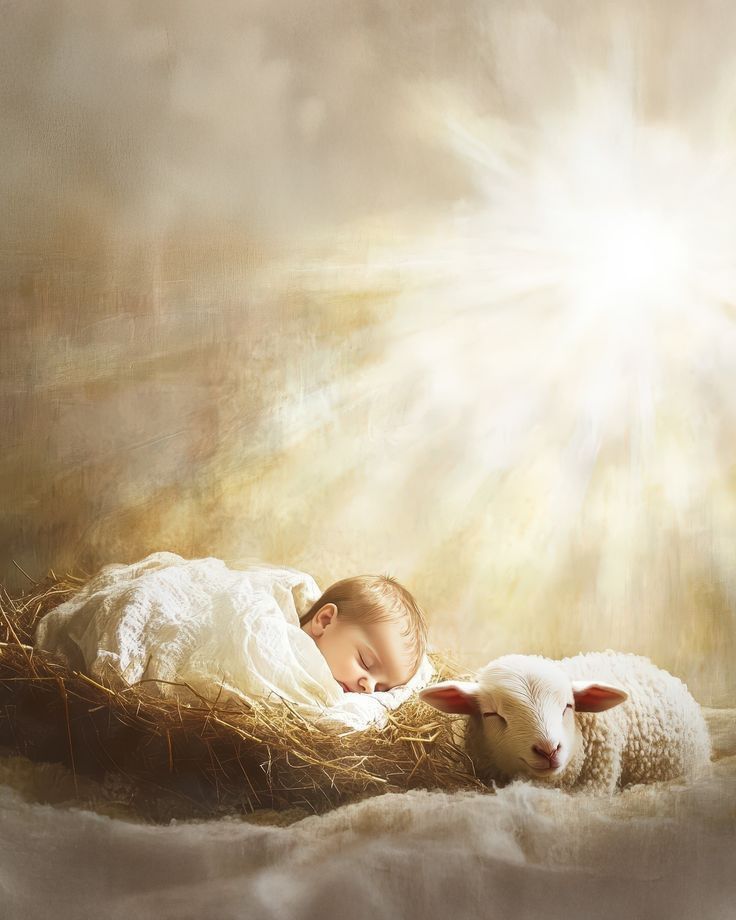
A Christmas reflection on Luke 2:1 to 14 on the First Cry of God and His cry in today’s broken world. (25-12-25)
Praise be to Jesus Christ
After many years of waiting, a young woman in the family finally became pregnant. From that moment, prayer in the house changed its tone. It became quieter and deeper, filled with gratitude but also with fear, because hope always carries vulnerability. One night, when facilities were simple and there were no proper labour rooms, she was taken inside. Pain was written clearly on her face, and her cry of pain was heard by everyone waiting outside. Those standing there felt helpless. They could not reduce the suffering or hurry the moment. They could only wait, holding their breath and whispering prayers in silence.
Then another cry was heard, no longer the cry of pain, but the cry of new life. In that single moment, everything changed. Fear loosened its grip, tears turned into smiles, and people embraced one another without words. Some folded their hands in thanksgiving, others congratulated each other, and sweets were brought and shared. One cry changed the meaning of all the waiting, and everyone forgot the other cry. This is how Christmas begins.
Saint Luke does not describe it, but we know it must have happened. A child wrapped in cloths and laid in a manger cannot remain silent. The Son of God entered human history not with words, not with power, not with miracles, but with a cry. This is a mystery we often pass over too quickly. The first sound God made on earth was the sound of need.
Isaiah had spoken of this long before when he said, “A child is born to us.” Not a ruler first, not a judge, not a warrior, but a child. Israel had cried for generations under darkness, disappointment, and waiting. On Christmas night, God answered that long cry, not by removing human weakness, but by sharing it. He chose not to come strong, but dependent, not commanding, but trusting, not distant, but close enough to be held.
A cry creates relationship. A crying child believes that someone will come. This is what God revealed about Himself at Christmas. He trusted humanity enough to need it. There is a saying that God became small so that we would not be afraid of Him. A crying child never frightens us. He draws us close. This is how God wanted to enter the world, not through power, but through closeness, not through fear, but through trust. He wanted to enter ordinary homes, tired hearts, and families that struggle and hope at the same time.
In every family, a cry changes priorities. When a child cries at night, comfort becomes more important than sleep, and presence becomes more important than plans. Christmas tells us that this is how God wants to live in our homes, not as an idea or decoration, but as a presence that asks for attention, time, and love. The shepherds understood this instinctively because they were people of the night, familiar with silence and waiting. Angels sang of glory, but peace entered the world first through a crying child in the dark.
But Christmas does not stop at Bethlehem. It quietly turns toward today and asks a painful question. If God cried then, is God crying now. Looking at broken families, wounded relationships, lost faithfulness, and forgotten promises, God still cries. He cries when life in the womb is rejected, when addiction destroys homes, when drunkenness steals dignity, and when faith slowly disappears from Christian families. He cries when prayer is neglected, when love becomes temporary, and when conscience grows silent. This is not the cry of an angry judge. It is the wounded cry of a Father.
The child who cried in the manger later cried again, over Jerusalem, in Gethsemane, and on the cross. The cry of God did not end with Christmas. It continues wherever love is refused and truth is ignored. And this cry is not only about the world far away. It rises while God looks at me, at my compromises, my loss of faithfulness, and my silence when love demanded courage.
Isaiah promised light in darkness, but light can be ignored. The manger can be passed by. The cry can be drowned by noise. Christmas becomes real not when churches are full, but when hearts soften and homes return to prayer. God still cries because crying means hope. It means He believes someone will respond.
The first cry of God is still echoing.
The question is not whether God is crying.
The question is whether I am listening.
Lord Jesus, help me to live a good life, so that I may not cause You to cry again.




Very good reflection. Thank you Father for inspiring us with your meaningful message .
Happy Christmas 🎄🎁 🔔 🎁🧧
Fr thankyou for the wonderful reflections.
Good morning.
We are a gaggle of volunteers and starting a new scheme in our community. Your web site provided us with useful info to paintings on. You have performed an impressive job and our whole community will likely be grateful to you.
I found the information layout very user‑friendly, which made exploring the product surprisingly comfortable. The overview of side effects of cialis daily was presented in a calm, neutral tone that helped me feel well‑oriented. Everything came together nicely and left me satisfied with the clarity and transparency.
But wanna remark that you have a very decent web site, I love the layout it really stands out.
Usually I don’t learn article on blogs, however I would like to say that this write-up very forced me to try and do it! Your writing taste has been amazed me. Thanks, quite great article.
I am sure this piece of writing has touched all the internet users, its really really fastidious article on building up new weblog.
Hi, I do believe this is an excellent web site. I stumbledupon it 😉 I’m going to come back yet again since I book-marked it. Money and freedom is the best way to change, may you be rich and continue to help other people.
Spot on with this write-up, I truly believe that this website needs a great deal more attention. I’ll probably be back again to read more, thanks for the info!
I am sure this piece of writing has touched all the internet viewers, its really really good post on building up new web site.
Ahaa, its nice conversation regarding this post at this place at this webpage, I have read all that, so now me also commenting at this place.
Ahaa, its fastidious discussion regarding this piece of writing here at this blog, I have read all that, so now me also commenting at this place.
I love what you guys are usually up too. Such clever work and coverage! Keep up the excellent works guys I’ve incorporated you guys to my own blogroll.
Ahaa, its good conversation regarding this piece of writing at this place at this website, I have read all that, so at this time me also commenting at this place.
Hi, I read your new stuff on a regular basis. Your writing style is awesome, keep up the good work!
Ahaa, its fastidious discussion concerning this paragraph at this place at this website, I have read all that, so now me also commenting here.
Ahaa, its good dialogue concerning this piece of writing at this place at this blog, I have read all that, so at this time me also commenting here.
I’m nevertheless waiting around for a wawa listed here inside Yuma AZ. I grew up within PHL
It’s very trouble-free to find out any topic on net as compared to books, as I found this post at this web site.
Wow! This blog looks just like my old one! It’s on a totally different subject but it has pretty much the same page layout and design. Superb choice of colors!
I am sure this article has touched all the internet viewers, its really really fastidious post on building up new blog.
I want to to thank you for this excellent read!! I certainly loved every little bit of it. I have you book-marked to look at new stuff you
Alright lads, tried slot8808gac0r out. The slots seem pretty alright, a few unique ones I haven’t seen before. Graphics are decent too. Could use a little more promotional action to keep me hooked, but it’s not too bad. Check out slot8808gac0r for yourself!
Heard about mexloki recently. It is quite decent, lots of games to play. I would recomend to try them out, definitely worth the shot! Here is the link: mexloki
Hey there! Tried rbajeebet. Looks pretty good, good selection of games and the layout is also pretty user friendly. Take a look and see for yourself: rbajeebet
Just a quick note about 8777cxlogin – the login process was straightforward, which is always a plus. Getting right to the fun! Access here: 8777cxlogin
Yo, heard about lopebetapk from a mate. Said it’s the real deal. Gonna check it out and see if it lives up to the hype! Fingers crossed! You can also check it out here: lopebetapk
Anyone tried mdmbetyono yet? Keep seeing it pop up. Thinking about giving it a shot but wanna hear some real opinions first. Anyone got the inside scoop? Check it out if you dare: mdmbetyono
ns8i6u
Yo, extreme88login is legit! Login was super simple and I was playing games in no time. Good vibes all around. Check it out! extreme88login
Afunmxlite, gotta love anything with ‘lite’! Hope it plays and pays lightining-fast also! Dale una ojeada aquí: afunmxlite
Mexgana, ¡Ándale! That name lets me know it’s serving some Mexican flavor. This name means Win in Mexico. A ver si ganamos aqui mexgana