
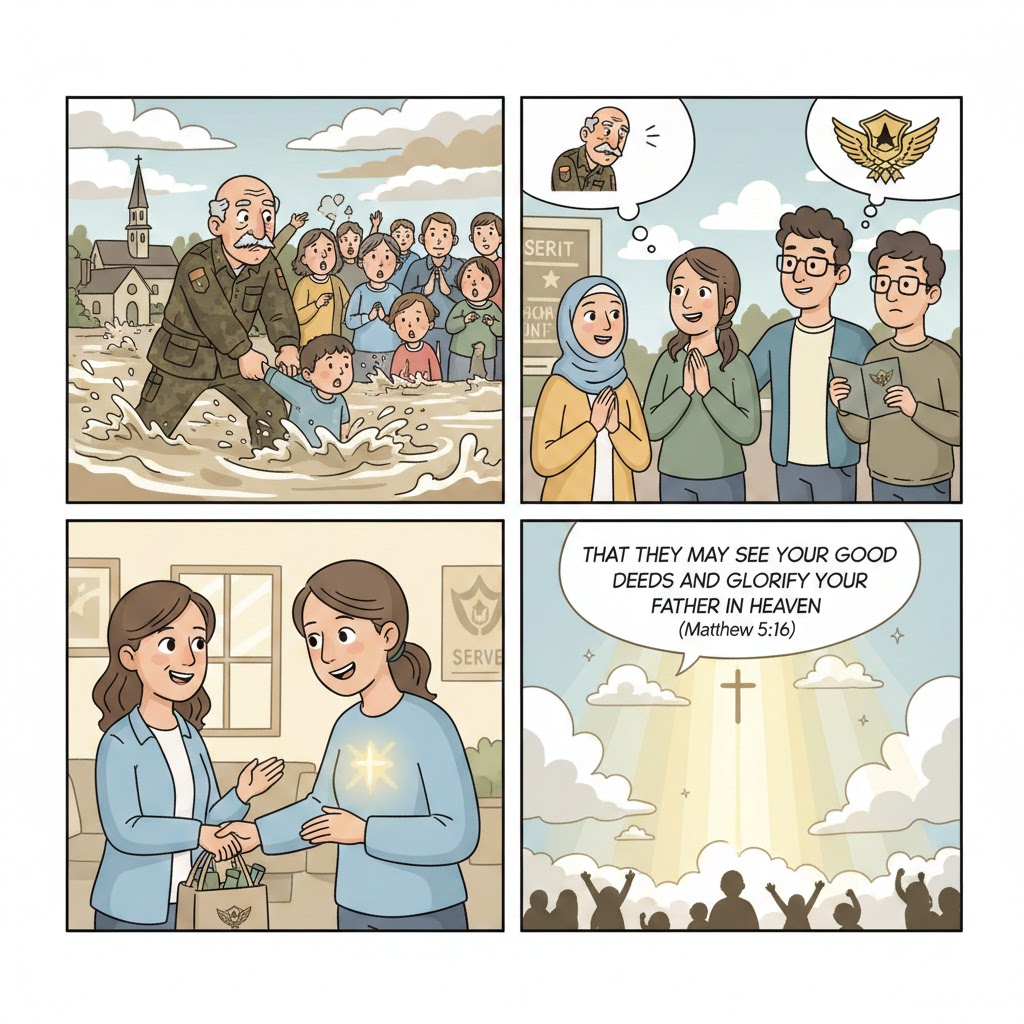
A simple and challenging reflection on Matthew 5:13–16, inviting us to live so that our good works lead others to glorify the Father. (8-2-26)
Praise be to Jesus Christ
A retired army man lived quietly in a small town. One day, heavy rain caused sudden flooding; streets turned into rivers, and fear filled every corner. In the chaos, a child slipped into the rushing water and began to drown. People froze, and some shouted for help. Suddenly, without thinking of his own safety, the old soldier jumped into the water, struggled against the strong current, and pulled the child to safety. Joy and relief spread through the crowd, and the parents thanked him with tears in their eyes. Yet what followed was even more powerful. Many young people from that town, deeply moved by his courage, began to respect the spirit of service they had witnessed in him and in the army. Some later chose to join the army themselves, saying they wanted to protect others in the same way they had seen that day.
This is exactly what Jesus means when he says, “they may see your good works and give glory to your Father in heaven” (Matthew 5:16). Let us notice carefully: Jesus does not say people will praise us; he says they will praise the Father. Just as people began to respect the army because of one man’s heroic act, our good works are meant to travel beyond us. They are meant to lead others to God. Parents feel honoured when their children do good; in the same way, our Heavenly Father is glorified when we live lives of love, mercy, and sacrifice.
And here we must ask ourselves an uncomfortable but necessary question. We Christians have built so many institutions in this world — hospitals, schools, colleges, orphanages, homes for the aged. Through these, we serve millions of people. But are they, seeing our works, glorifying our Heavenly Father? Or are some slowly drifting away from God? Are our institutions only giving education and treatment, or are they also giving witness to Christ?
In the Acts of the Apostles, we see the first Christian community: “They devoted themselves to the apostles’ teaching and fellowship, to the breaking of bread and the prayers… All who believed were together and had all things in common” (Acts 2:42–44). Scripture also tells us that they enjoyed the favour of all the people and that “day by day the Lord added to their number those who were being saved” (Acts 2:47). Their simple lives became powerful preaching. We also see this in the lives of saints. Think of Saint Teresa of Calcutta: people who watched her pick up the dying from the streets did not praise her alone, but many began to believe again in Jesus, because they saw His love alive in her hands.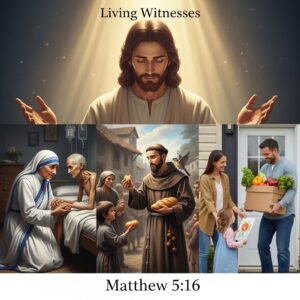
But today, we often see a counter-witness. We may go to church, we may pray, we may receive the sacraments — yet we are not ready to forgive. We ignore small mistakes of our family members. We carry anger in our hearts. Sometimes people look at us and ask, “Why does he go to church and still behave like this?” or “Why does she pray but cannot show kindness?” Saint James reminds us clearly: “Faith by itself, if it has no works, is dead” (James 2:17). Our prayers must become patience. Our worship must become mercy.
Saint Francis of Assisi lived this Gospel in a striking way. His simplicity, care for the poor, and joyful humility touched even hardened hearts. Many who met him did not merely admire Francis; they began to love Christ, because his life pointed away from himself and toward Jesus.
This Gospel questions us gently but deeply. In our homes, does our patience and forgiveness help others to believe in God? In our communities, does our way of living make faith attractive? In religious life, do our prayer and service lead people to thank God, or only to notice us?
Dear brothers and sisters, Christianity is not first about beautiful prayers or impressive buildings. It is about living love in ordinary moments — forgiving at home, speaking gently, helping quietly, and serving without seeking recognition. When we live this way, people may not praise us, but they will begin to praise God. That is our mission: to become living witnesses, so that through our small acts of goodness, others may discover the goodness of our Father in heaven. Let our lives quietly teach others to say, “Thanks be to God.”
Heavenly Father, help us to do good deeds so that everyone may know we are your children. Amen.
⇒If you find this reflection meaningful and fruitful, please share it with others
⇒ We would greatly appreciate your comments and suggestions. Would you mind scrolling down and sharing them with us?
The Team Search offers retreats, reflections, and classes for religious and others on various biblical themes, the Eucharist, prayer, spiritual direction, Missiology, English phonetics (basic & advanced), Mariology, the Sacraments, the Desert Fathers, and more. We are happy to assist you if you find it hard to get a resource person for any Christian topic.
Follow us on WhatsApp : https://whatsapp.com/channel/0029Vb62WTDKmCPLcWUM292I/324
♦Contact: thesearch1994@gmail.com
God Bless…





Wow
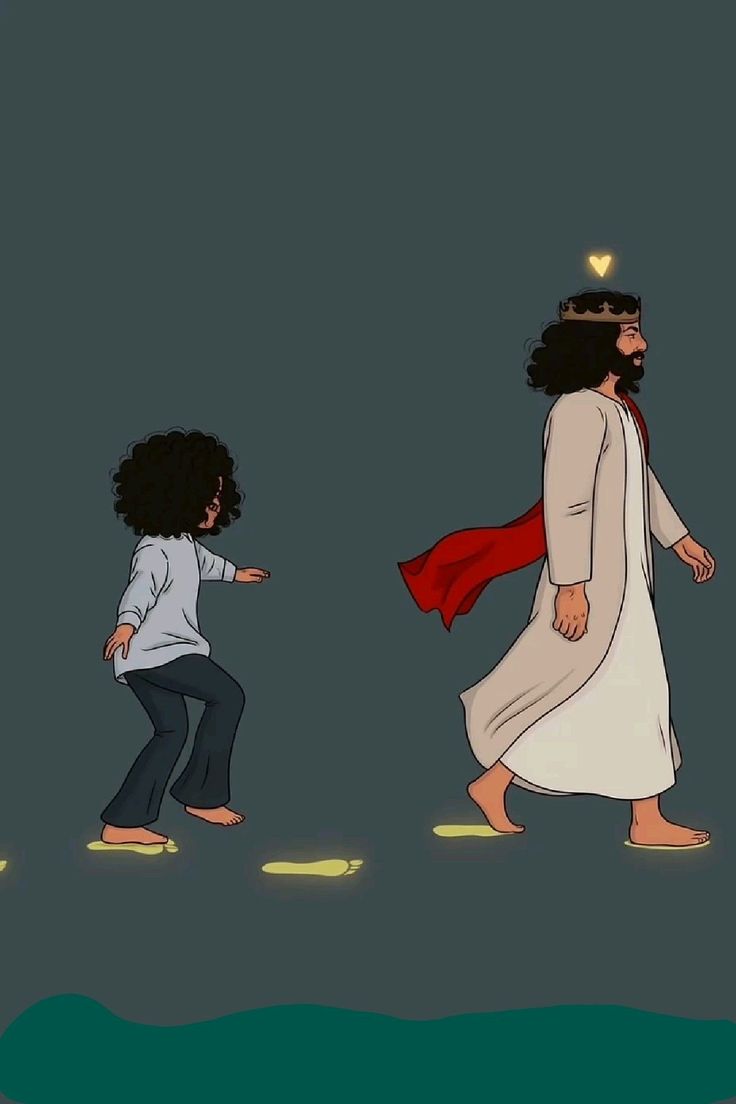
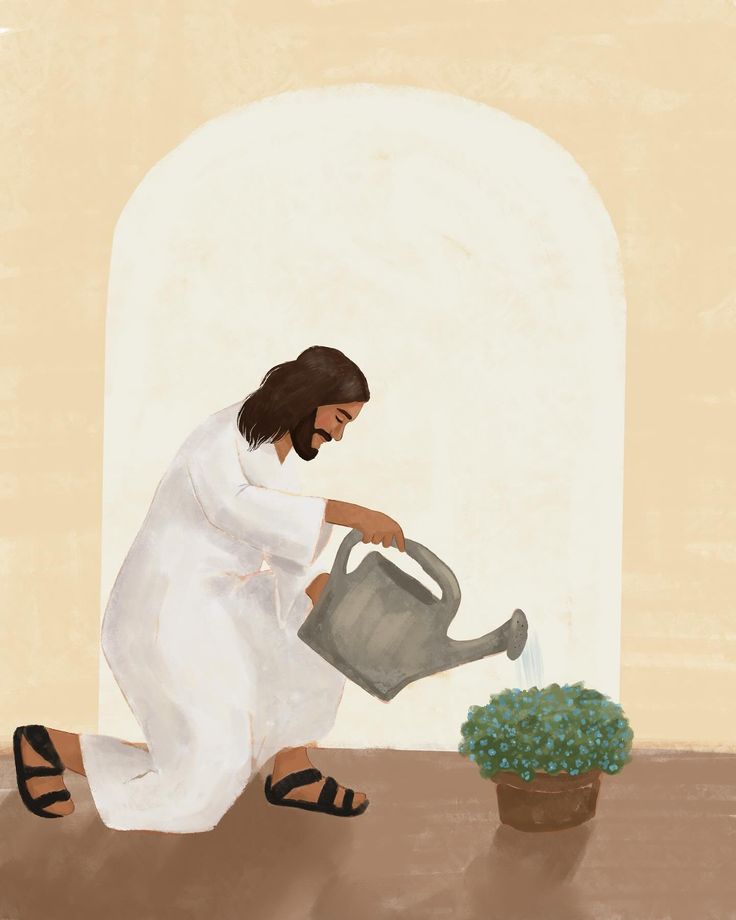
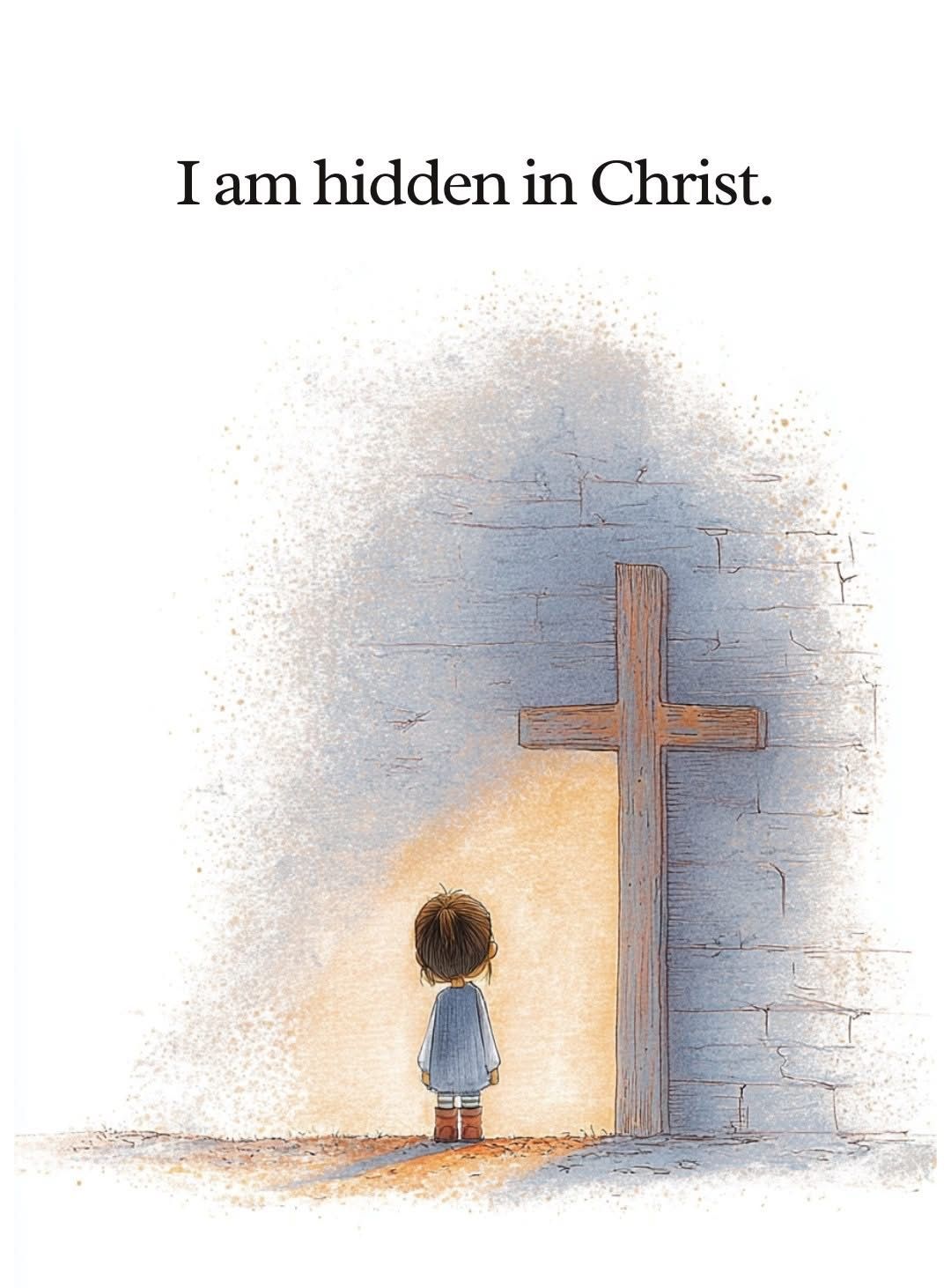
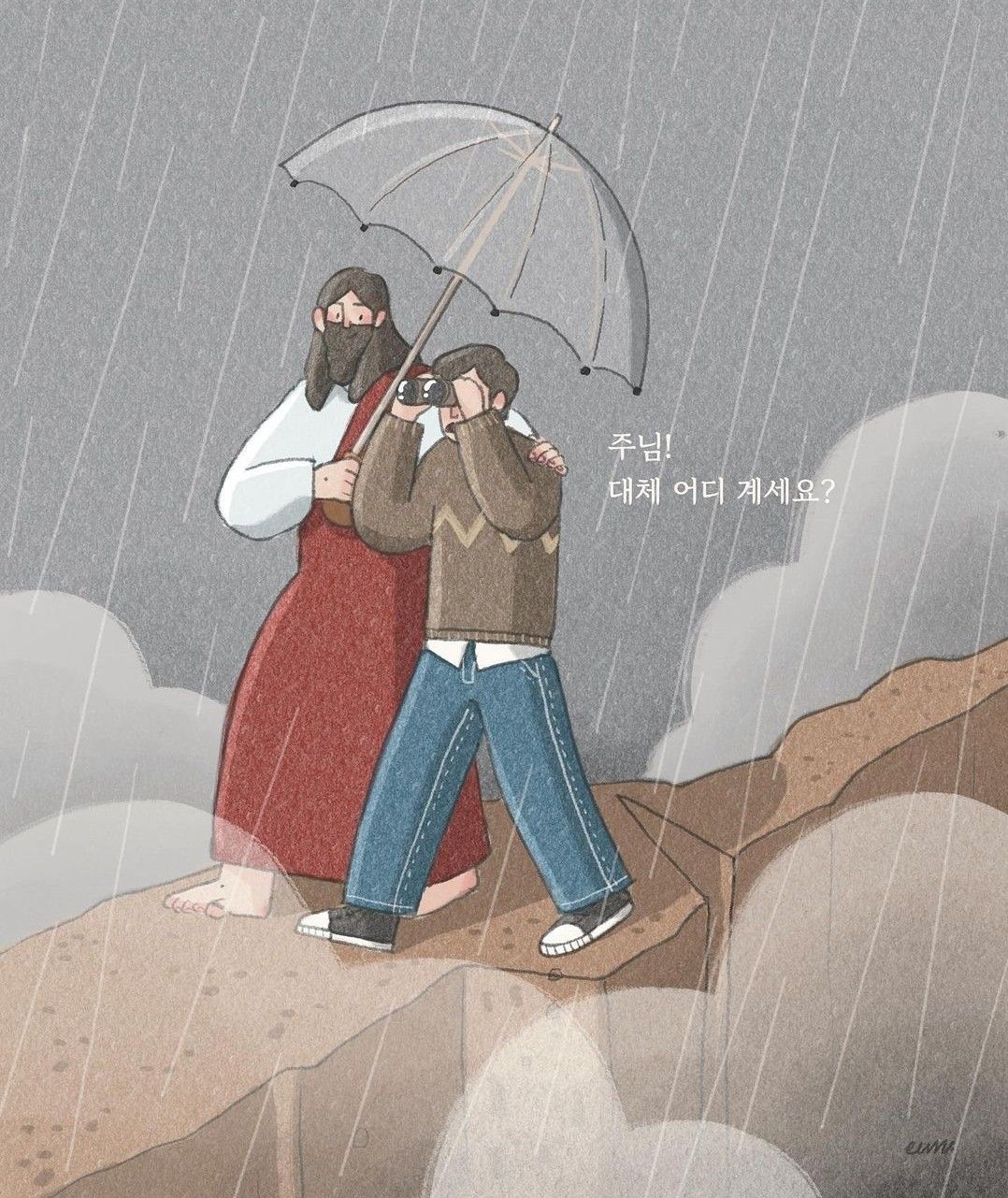
Wonderful , inspiring and challenging message with a striking story and a living pictorial representation.
Thanks to the good teamwork.
Loved it
Meaning full message, Nirmal Mary SAB,
Powerful message 👍
Thank you, Fr., for the inspiring reflections shared through a meaningful story.
May God uphold you and grant you strength in all your ministry.
A really good blog and me back again.
Inbetcasino’s got a decent selection of games. Nothing groundbreaking, but reliable and fun. The bonuses aren’t too shabby either. I’ve been spending some time here lately and have had a few decent wins! Try your luck! inbetcasino
1993betvip, ay? Feels a bit retro, but their game selection is modern and fun. I signed up for their VIP program and it’s got some decent perks. Plus, their customer support is quick to help if you’re stuck. worth a look! 1993betvip
Yo, cassino222win! Heard some good things about this place. Trying my luck there, and so far, so good. The website is easy to navigate, and there’s a nice bonus for new players. Give it a whirl! Check it out here: cassino222win
每天都在战争,希望2026和平.
看不懂但大受震撼
This game looks like a blast for puzzle and stealth fans! The description hints at clever mechanics and a need for strategic thinking. If you enjoy a good challenge, seal and run seems like a perfect fit to test your skills. Definitely one to check out!
wish you all the best
Mass comment blasting: $10 for 100k comments. All from unique blog domains, zero duplicates. I will provide a full report and guarantee Ahrefs picks them up. Email mailto:helloboy1979@gmail.com for payment info.If you received this, you know Ive got the skills.
wish you best and best
色即是空,空即是色
Great article! Really insightful perspective. I found it very helpful and informative. lysfhewbrxqakrnkktvhhmvkmirshk
Very insightful article, thank you for sharing. qzxdktyvgvsndilhintbybbuz