
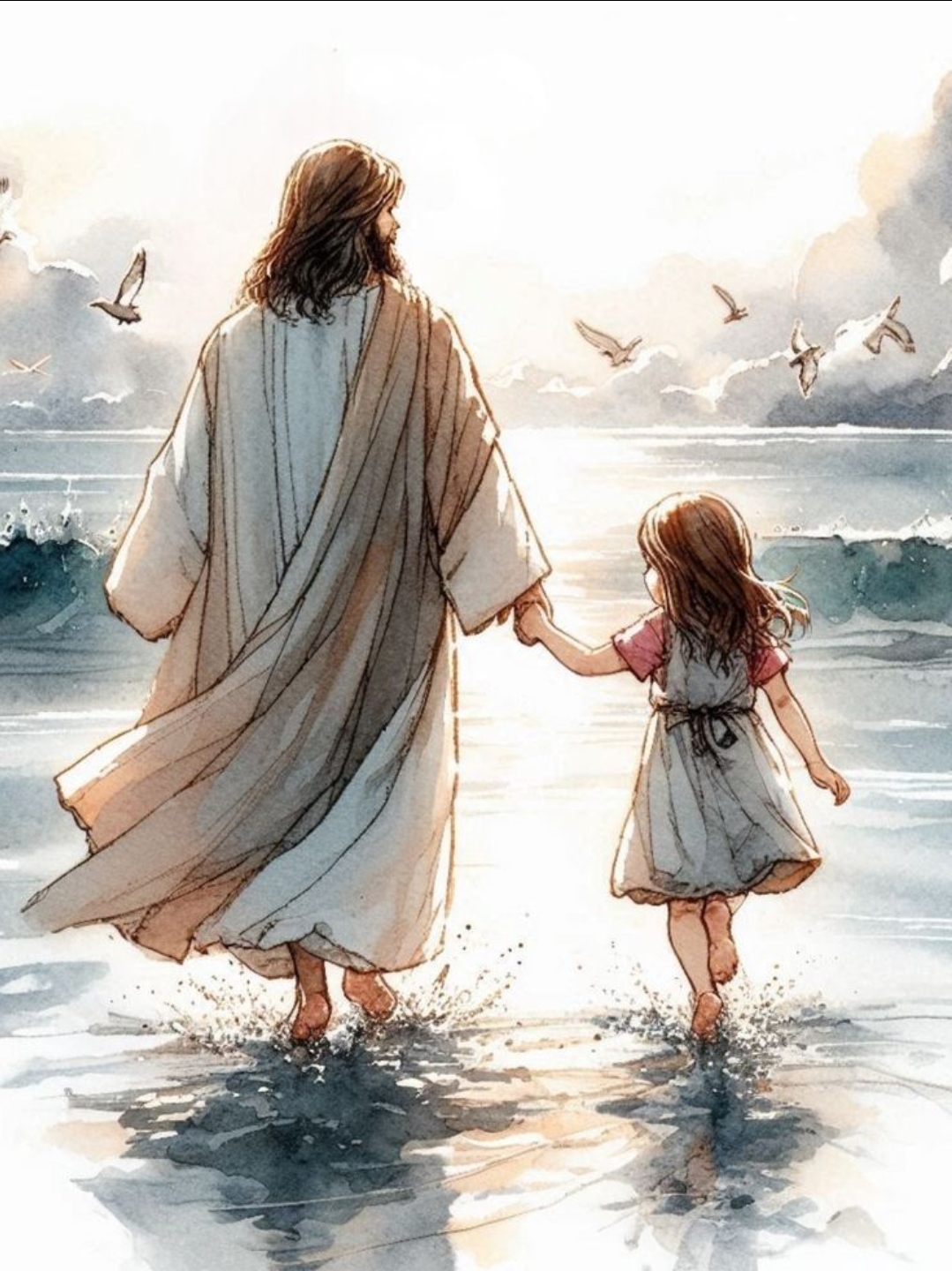
A deep Advent homily on Matthew 21:28–32 showing how God’s mercy works through “afterwards,” where obedience born after resistance becomes stronger and more sincere. (16-12-25)
Praise be to Jesus Christ
Once, an old farmer was ploughing his field with a bullock that had worked with him for many years. On that day, the animal suddenly stopped in the middle of the field and refused to move forward. Seeing that he loosened the rope, sat under a nearby tree, and waited in silence. Time passed, after a while, the bullock lifted its head, stepped forward, and began pulling the plough enthusiastically. An old man who was watching from the edge of the field said softly, “When obedience comes after resistance, it becomes stronger.”
Jesus speaks of the same truth in today’s Gospel, Matthew 21:28–32. A father asks his two sons to work in the vineyard. One son says no at first, but afterward he changes his mind and goes into the vineyard. The other son says yes politely, but afterward he does nothing. Jesus then asks a simple question. Which one did the will of the father? The answer is clear. Not the one who spoke well at first, but the one who afterward was faithful.
The word “afterward” needs special attention , though it is a small word, but it carries the patience of God. “Afterward” means God gives space and God allows time. Human beings often fail first. We resist because we are tired. We delay because we are afraid. We refuse because we want our own way. But God does not close the door quickly. He waits for the heart to turn. The tragedy is not saying no once, but the tragedy is never changing.
This is why obedience that comes after resistance is stronger. It has passed through struggle. It is not easy obedience, but it is chosen obedience and it knows the cost. That kind of obedience has roots and it lasts. Jesus sees this clearly. The Old Testament reveals the same patient God. Through the prophet Isaiah, God says, “Come now, let us reason together” (Isaiah 1:18). God does not force the heart. He reasons with it and He waits for afterward.
In our lives, this word brings hope. A child who refuses prayer today may pray deeply later. A husband or wife who avoids forgiveness may soften with time. Forced obedience may look good, but it does not last. Obedience that grows slowly, after resistance, remains faithful.
Saint Peter lived this Gospel deeply. He promised loyalty quickly. When fear came, he denied Jesus. But he did not remain there; he wept, he returned and afterward, his obedience was humble and strong.
Saint Monica believed in afterward. Her son resisted God for years. She did not force him. She waited and prayed. She trusted that obedience born later would be deeper.
Advent is the season of afterward. Humanity said no many times but God waited. He came quietly as a child, trusting that hearts would turn. On this 16th day of Advent, God is not asking how we began. He is asking whether we are willing to go now, even after resistance.
Lord Jesus, give me a conversion of hearts. Amen
Follow us on WhatsApp
https://whatsapp.com/channel/0029Vb62WTDKmCPLcWUM292I
Father, I thank you for your consistency in preparing such meaningful homilies.
Very unique and beautiful reflection. Thank you Father 👍
Very good message keep it up, Nirmal Mary SAB,
Hey y’all! If you’re a slot fan, Winwinslot777 is calling your name! Amazing payouts and a really cool theme. Check them out here: winwinslot777