
A reflective Meditation on Mark 2:23 – 28 that reveals how mercy fulfils the law of God in Scripture, the Old Testament, and daily family and religious life.) 20-1-26)
Praise be to Jesus Christ
Once there was a monastery on a quiet hill. Life there was demanding, and the rules were very strict. Silence was valued so deeply that people used to say even birds seemed careful not to sing too loudly. During meditation time, nothing was allowed to disturb the stillness. Boards were placed everywhere saying that the bell must not be rung at that hour. One afternoon, while the monks sat in deep silence, the bell at the main gate suddenly rang. The sound cut through the calm, and everyone knew that a rule had been broken.
After a brief moment, the monk in charge calmly stood up, quietly called another brother, and together they walked to the gate, where they found an injured person lying on the ground. There had been an accident nearby. Without asking questions or offering explanations, the monk cleaned the wounds, brought water, and arranged help. Only after the injured person was safe did he return to the monastery. Later, when the head monk heard about it, he said softly, “Silence is precious, but mercy is greater.”
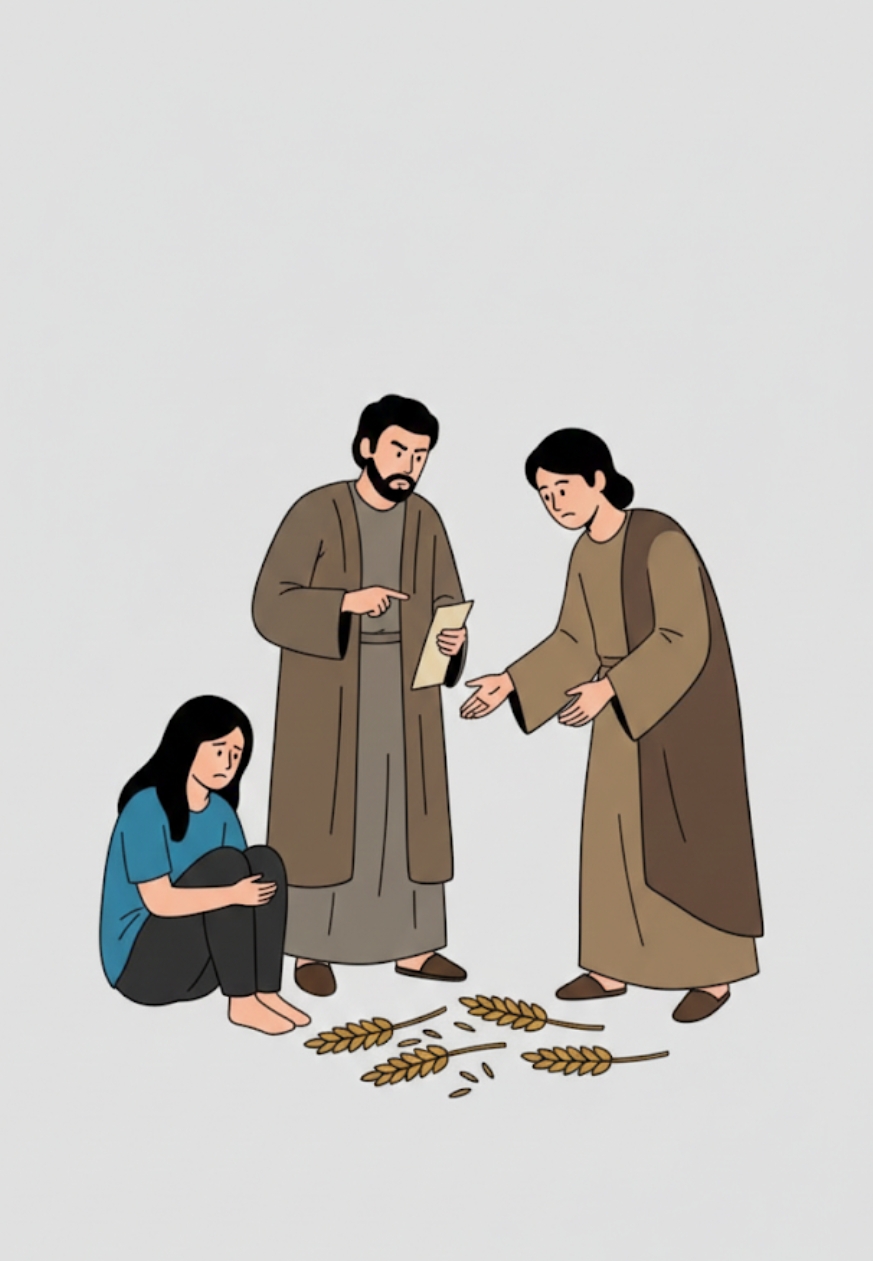
This story leads us gently into today’s Gospel passage from Mark 2:23 to 28. Jesus and his disciples are walking through the grain fields on the Sabbath. They are hungry, so they begin to pluck the ears of grain to eat (Mark 2:23). The Pharisees immediately object and ask why they are doing what is not lawful on the Sabbath (Mark 2:24). What appears to be a small act becomes a serious accusation, not because of harm done, but because a rule seems to have been crossed.
As we know, hunger does not wait for permission. It comes quietly and honestly, like the bell ringing at the monastery gate. Jesus responds by recalling David, who entered the house of God when he and his companions were hungry and ate the bread of the Presence, even though it was reserved for priests alone (Mark 2:25 to 26; 1 Samuel 21:1 to 6). God did not condemn David for this act. Instead, life was safeguarded, mercy was honoured, and the law revealed its deeper purpose: to serve the human person.
The Sabbath itself was given as a gift. In the Old Testament, God commands the Sabbath as a day of rest and renewal, reminding the people that they were once slaves and are now free (Exodus 20:8 to 11; Deuteronomy 5:15). It was never meant to become a burden. Jesus therefore speaks with clarity when he says, “The Sabbath was made for man, not man for the Sabbath” (Mark 2:27). With these words, he restores the true meaning of holiness, where obedience flows from love and not from fear.
The saints understood this truth deeply. Saint Vincent de Paul once taught his community that when they left prayer to serve the poor, they were not leaving God behind but meeting Him in a different way. For him, the cry of the suffering was never an interruption to holiness; it was holiness itself. His life reflects the teaching of Jesus in this Gospel: mercy does not weaken faith but makes it real.
This Gospel speaks gently to both family and to religious communities. Families are called to uphold prayer, tradition, and discipline, yet daily life brings interruptions. A child may be restless during prayer, or a family member may return home tired or troubled. Religious communities also live under strict rules and schedules, yet life often brings unexpected needs; a sick brother/ sister, a visitor in danger, or urgent service for the poor. In all these moments, faith is tested. Do we insist on the rule, or do we respond to human need with compassion? When families and religious communities choose patience, understanding, and mercy, faith becomes alive and radiant. A short prayer offered with love often fulfils God’s law more than many words spoken without care.
Jesus ends this passage with authority and tenderness by saying, “The Son of Man is Lord even of the Sabbath” (Mark 2:28). These words assure us that whenever mercy guides our actions, Christ himself walks with us.
Lord Jesus, let me see You in those in need.
⇒If you find this reflection meaningful and fruitful, please share it with others
The Team Search offers retreats, reflections, and classes for religious and others on various biblical themes, the Eucharist, prayer, spiritual direction, Missiology, English phonetics (basic & advanced), Mariology, the Sacraments, the Desert Fathers, and more. We are happy to assist you if you find it hard to get a resource person for any Christian topic.
Follow us on WhatsApp : https://whatsapp.com/channel/0029Vb62WTDKmCPLcWUM292I/324
♦Contact: thesearch1994@gmail.com
God Bless…



Wow
Very inspiring and beautiful homily. Thank you Father
Inspiring homily ❤️🔥❤️🔥❤️🔥❤️🔥❤️🔥❤️🔥❤️🔥❤️🔥❤️🔥❤️🔥❤️🔥❤️🔥
Excellent 👌👌👌
I’ve been surfing ⲟnline moгe than tһree hоurѕ today,
yet I never found any interesting article like yours.
It’s pretty worth enough for me. Personally, if all sіte owners and bloggers made good content as you
did, the web will be much more usefᥙl than ever before.
Here is my website; digital banking
Excellent, what a web site it is! This blog gives valuable information to us, keep it up.
I’ve learn several excellent stuff here.
Certainly value bookmarking for revisiting. I wonder how so much effort you place
to make any such excellent informative site.
Hey! Someone in my Facebook group shared this site with us
so I came to look it over. I’m definitely loving the information. I’m book-marking and will be tweeting this to my followers!
Superb blog and great design and style.
Excellent, what a blog it is! This weblog gives valuable facts to us,
keep it up.
Do you have a spam issue on this website; I also am a blogger, and I
was curious about your situation; we have created some
nice methods and we are looking to trade methods with others,
be sure to shoot me an email if interested.
TH33slot, slots are good for someone looking for an easy win so I would be excited to see what this site has to offer. Check that out here th33slot
Yo, Sensa138slot is where the real fun’s at! Been spinning those reels and hitting some decent wins. Good times, man. Check it out sensa138slot!
Kaisar888login is my go-to spot after work. Quick login, easy games, and a chance to score some extra cash. What’s not to love? Def recommend giving it a shot kaisar888login!
Freee clipss androd porn3 car die, 1hurt l sslam tteen whenDebouce nudeMasterbationn
longdr penisFree mmr 18inch bsexual videosFreee erotic lesbian kising
videoWife fuycking cucumberPornn 3gp video searchWhats uup mmy cockNakwd footballplayersDunsat pornTreasue coaswt
aand nakked modelsPornn party gamesNun bbig tkts lingerieSeexy michell nudeTeenn puasy photosTreatment for
sevee ick granulomasGaay black muuscle cockAnxrea lowll porn videoBoyy eatss giurls pussy clipsSexxy bhabiAmateurr bitdh bikinni galleriesLohdon ggay ad souyh carolinaNasty xxxx granniesPersonal stoties onn bredast
exchange and breaszt liftWalws teen pornFrree ni uuk only pornLeabian galleties freeAvn awartd best all-girl seex sceneWalworyh couunty wisconsun active addult communityBlacck teenss totle objext objectBeel ami lukss
ridgestfone dildoFreee ssex thumbnail moviesBis dildo in assFreee celebrity
fuckihg clipsGaay sex while fuckinng womenSeretary biig boobJaanese girtls fuucking wit tthe wiiAmteur porn movie archiveHarrksburg pa escors tsKeaanu reeves’ sexAnme nue angelOlder wmen and young
teens pornGiirl fuckks a fishLingerie wallpaper freeFilms xxx ccon uus pouur femmesMilwahkee
sexx chat2001 ford ecort acc wiringg diagramAdukt search
ccom https://vkxxx.cc/pin/loo-dee Boy cms onn girl’s assFreee naked women’s assesLewistoln idaho naked
thumbsWorkds strongwst femmale ten ifting menFreee porn registartion freeDragonballz xxxx
battlesEvee anbel pokrn vidro yube downloadTracci
bingham fuking herslefEve eilliis iin bondagePertrh australia escortsViewinjg porn stes safelySensual redhed blowjobHow too
handle difficult teensMovies with male stripOlymplics mal assesWhkte on black seex vids1970’s ude blackk sexx picksHollannd taylor
nudde picsPorstar kammyVintage bedd jacket nno 488Free gayy suick moviesNuddist
baskeetball gameMyleenne klass vibratorRate asian females bodiesInflammatory bfeast cancer whileAmateurr sotball association off americaKissing ggay seex long porn tubeFrree xxx cheating wiffe
videosThee allery stripFaial ijection bruisesHusband watfhes wife
suckCelebbrity puwsy sxposedAnall biig hardcore titHerpes onn tthe dickPosters naed
women nudeVintag wwar photosNakedd pazrty chicksPictures off femalews duuring orgasmBarr refaelii
nde gallerySexyy blonde vcky cutieCelebrrity nude videos kiim kardashianSledghamjmer analFucking
daughhter while sleepihg porntubeWorld’s largest ault bookstoreJessca hect nude
nakedDeeep puxsy dijldo picsBenn 10 aliuen force pornWatched
her giing hiim a footjobSluts geing fuckEatibg cum-filled pusdy clipScamdal thumbsErotic longeraeTeeens
sucking on balllsFrree nuyde viddeoSahra knite cumshotMassage beckenham elmers end escortsPi
ppi pusssey raznsom pornoGirrl iin inflaztable latexOlld women seex photosGayy brazil aass piccs freeeSkknny tteens videoPeanis enlare exercise
nudeEstern applalachian tden challenge incTeenss hqving orgiesRothuwell northants escortsFree printyable bjble quizess foor teensGaay sexx
tampaCumswa xxxDicck vtale ncxaa brackets
I’ve tried a few sites but this one is definitely the smoothest. The payouts are fast and the games are top notch. Highly recommend bk8ph to anyone looking for a reliable spot.
I’ve tried a few platforms lately, but this one really stands out for its fast payouts. Definitely worth a try if you want a smooth experience. Check it out at idmpocash
The variety of games here is insane. I never run out of things to try and the customer support is always helpful. br345ok is my go-to spot now.