
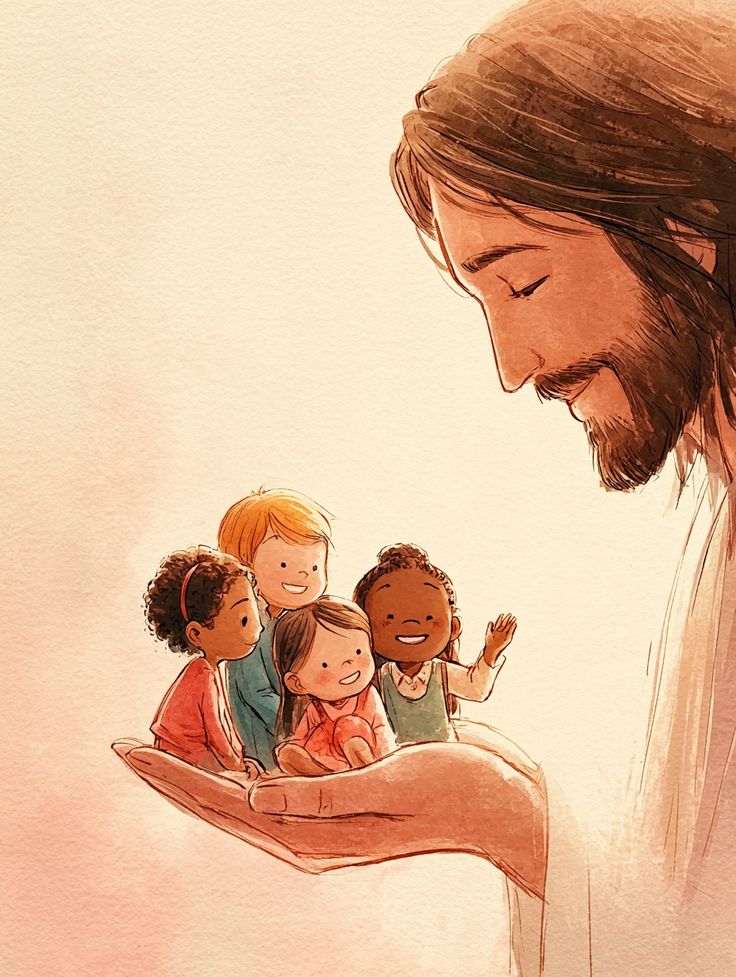
A Profound Reflection on Luke 19:11–28 Reminding Do Not Hide What Heaven Has Placed in Your Hands (19-11-25)
Praise be to Jesus Christ
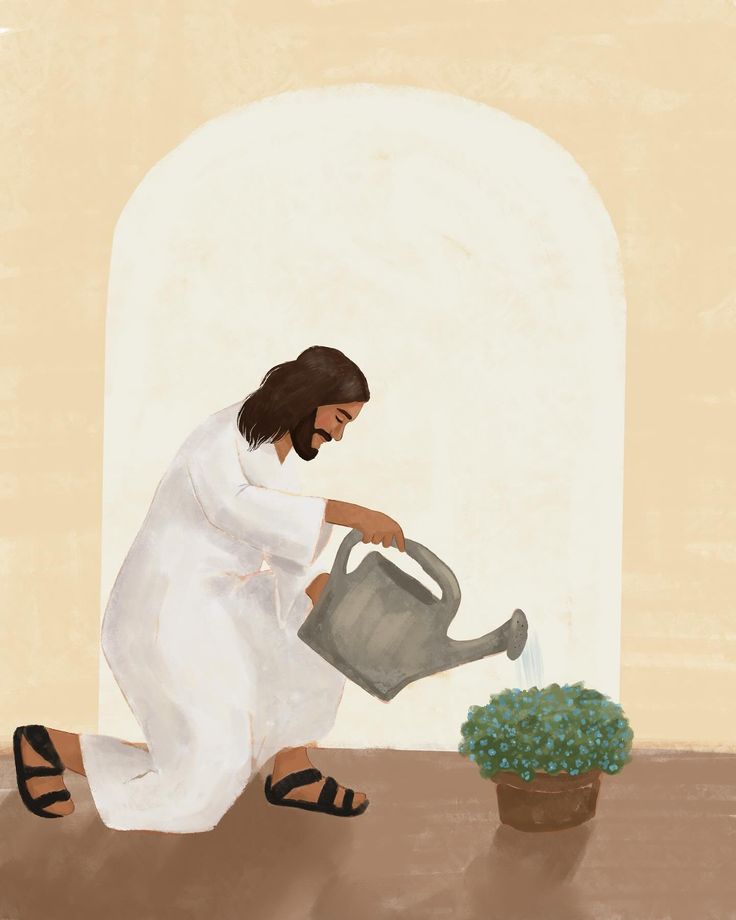
There was once a young girl named Maria who lived in a quiet village. One day, her grandmother handed her a small seed and said, “This seed will teach you who you are.” Maria planted it, tended to it daily, and protected it from storms and animals. Years later, the seed grew into a large tree that offered shade to travellers, fruits to the hungry, and branches for birds. Her grandmother told her, “Many had more seeds than you, but they did nothing with them. You had one, and you made it a blessing.” Maria realised that a gift becomes meaningful only when it is used, not when it is hidden.
This simple story carries the heart of the parable Jesus tells in Luke 19:11 28. The people expected the kingdom of God to appear suddenly and dramatically. Still, Jesus instead speaks of a king who goes away, entrusting his servants with minas to work with until he returns. He shifts the focus from waiting passively to living responsibly. The kingdom delayed is the kingdom entrusted. Just as Maria took her single seed and allowed it to grow, Jesus asks each of us to take the gifts, graces, and responsibilities He has given and invest them fully. The servants who multiplied their minas did not become great by luck—they became fruitful because they acted in trust, courage, and responsibility. Their reward shows that God looks not at success but at faithfulness.
On the other hand, the servant who hid his mina did so out of fear. Fear is the great enemy of fruitfulness. It freezes the heart, paralyses generosity, and convinces us that doing nothing is safer than risking failure. In religious life, fear may prevent a sister or brother from stepping into new ministries, speaking boldly, or loving courageously. In families, fear can stop parents from guiding firmly or giving more of their time and presence to their children. Jesus teaches that fearful discipleship becomes unproductive discipleship. As St. Teresa of Calcutta reminds us, “Be faithful in small things, because it is in them that your strength lies.”
God rewards effort, not outcome. The servant who gained ten and the one who gained five were both praised because they were faithful with what they had. In families and religious communities, each person has unique strengths—prayer, leadership, compassion, service, teaching, or simply a heart that listens. What matters is not how much we have but how lovingly we use it. Unused gifts fade. Unused graces weaken. Just like an unexercised muscle, a grace not lived slowly dies. Jesus’ hard words—“Even what they have will be taken away”—are not condemnation but warning: that faith, love, and gifts must be lived to grow.
The people in the parable resisted the nobleman’s kingship, saying, “We don’t want this man to be our king.” Many hearts today still resist Jesus gently asking for the throne of their lives. We say without words, “I want my way, not Yours.” Yet Jesus is the King who will return. His delay is mercy, giving us time to grow, serve, and love. St. Augustine captures it beautifully: “God provides the wind, but man must raise the sail.”
For religious and families, this parable invites a deep, personal question: What mina has God placed in my hands? What seed has He entrusted to me? Am I nurturing it or burying it? Am I living in faith or holding back out of fear? If Jesus stood before me today, what fruit would I joyfully place in His hands?
May we not be like the servant who hid his gift but like the faithful ones who worked with courage, love, and trust. And may the Lord say to us one day, “Well done, good and faithful servant… enter into your Master’s joy.”
Prayer: Give us the grace to be faithful to you




Very relevant and well written homily 👍
Thank you Father
Just stumbled upon fortunemouse4 and gotta say, I’m impressed. The site is slick and easy to navigate. Looking forward to seeing what else they have to offer! Check it out fortunemouse4, you might just get lucky.